Aligning Brand Evolution with a Better Guest Experience
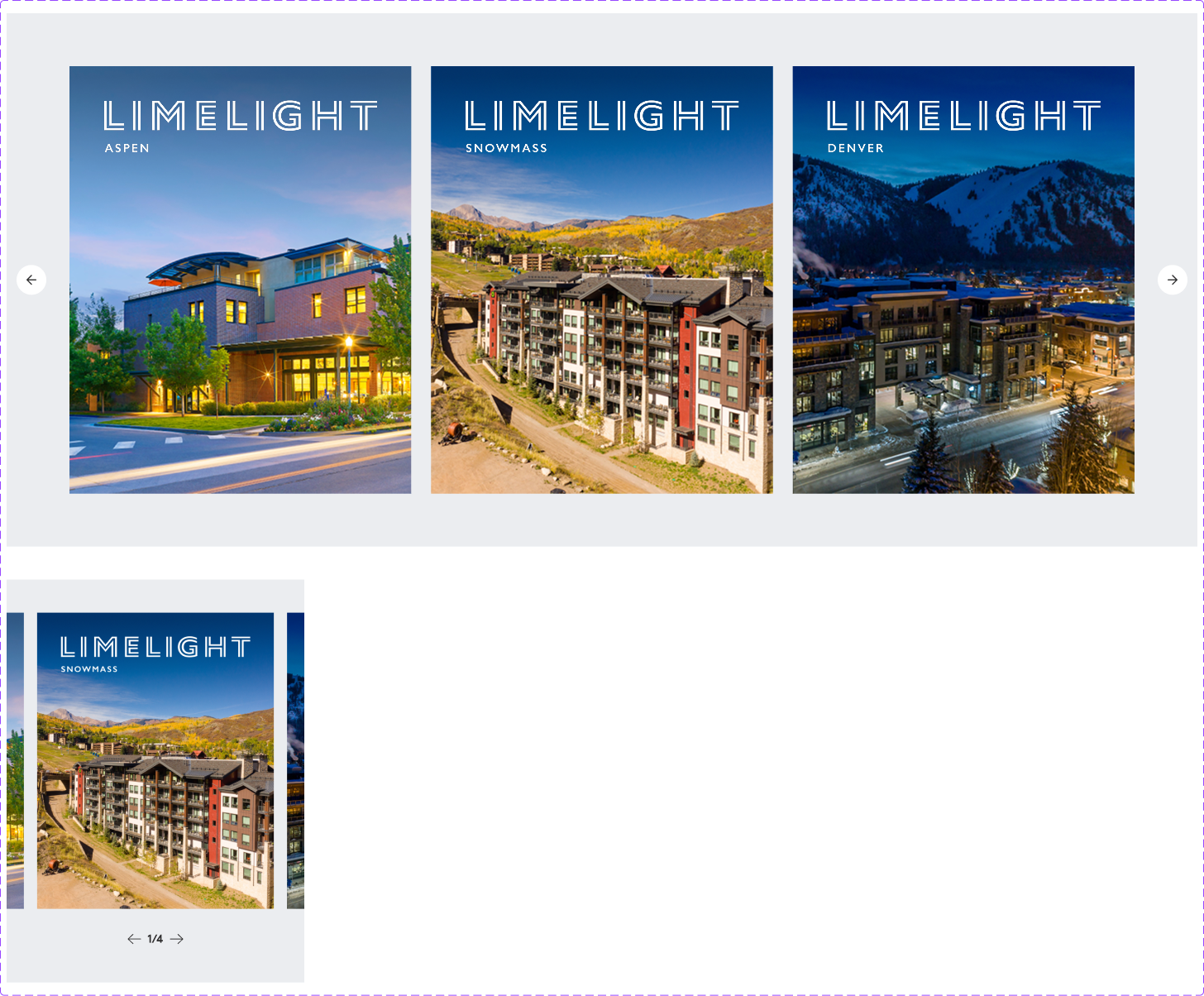
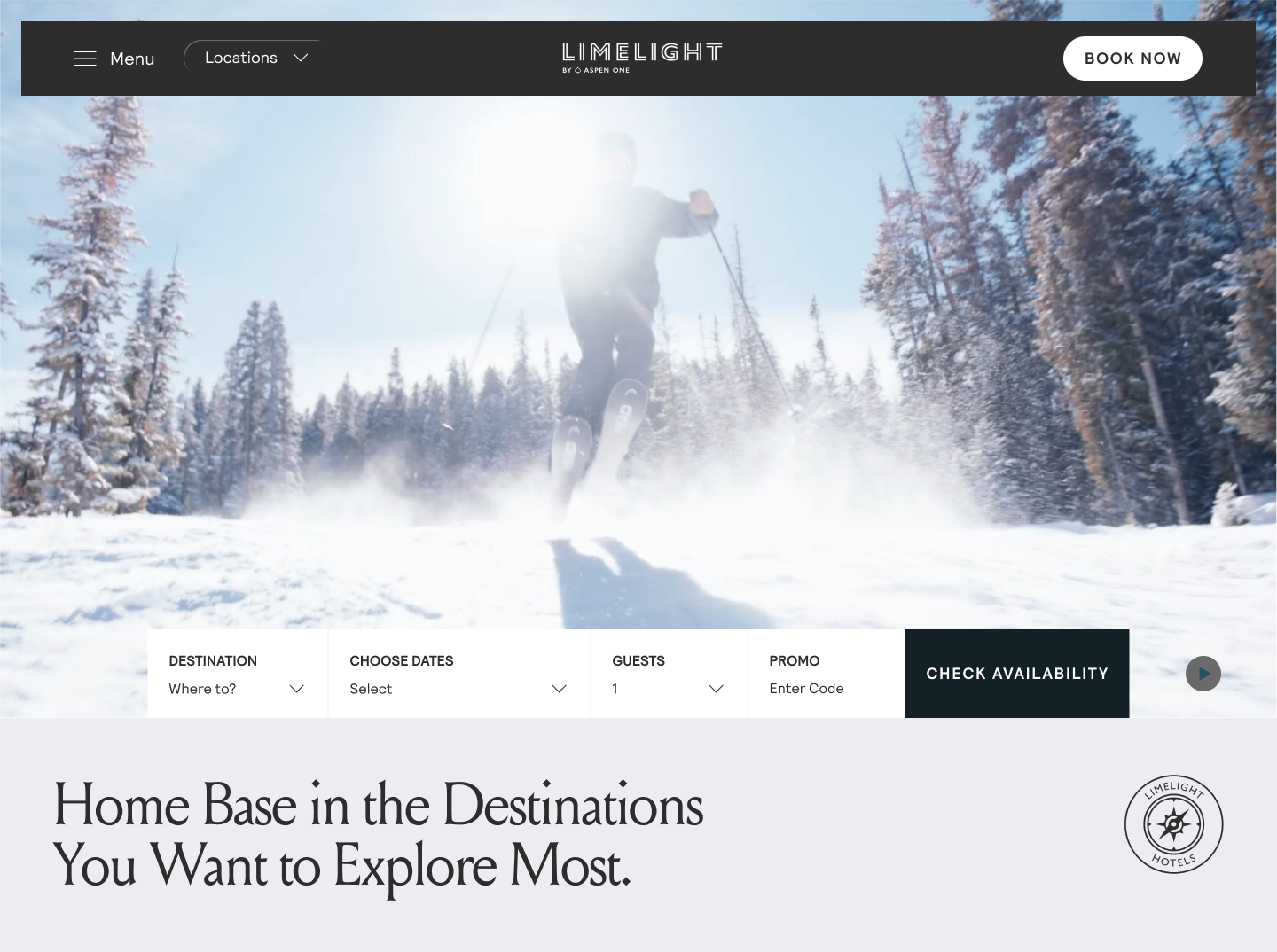
Limelight Hotels partnered with Verndale to evolve its digital experience into a stronger multi-property hospitality platform, with equal focus on brand expression, easier booking, and long-term scalability across the Aspen Hospitality portfolio.
This work was not just a visual refresh. It combined UX strategy, content simplification, multi-property information architecture, component planning, and future platform migration thinking to help Limelight better reflect what the brand had become.
The Challenge
Limelight had outgrown its earlier digital positioning. Originally conceived as a lower-budget option, the brand had evolved into a higher-value lifestyle hospitality experience, and the site needed to reflect that shift more clearly.
At the same time, the existing experience was underperforming on reservations and bookings relative to its potential, with too much emphasis on basic functionality and not enough on storytelling, differentiation, or friction reduction.
The UX challenge was also structurally complex. Limelight needed to function as a portfolio brand with multiple properties, each with its own personality, while still giving users a clear path to the right hotel, the right experience, and the right booking action.
Our Approach
Reposition the site around what Limelight actually is
1
Verndale approached the work as a brand and product problem, not just a page redesign. The site needed to express Limelight as active, outdoorsy, social, playful, and community-driven while still supporting premium pricing and hospitality expectations.
Simplify the booking and browsing journey
2
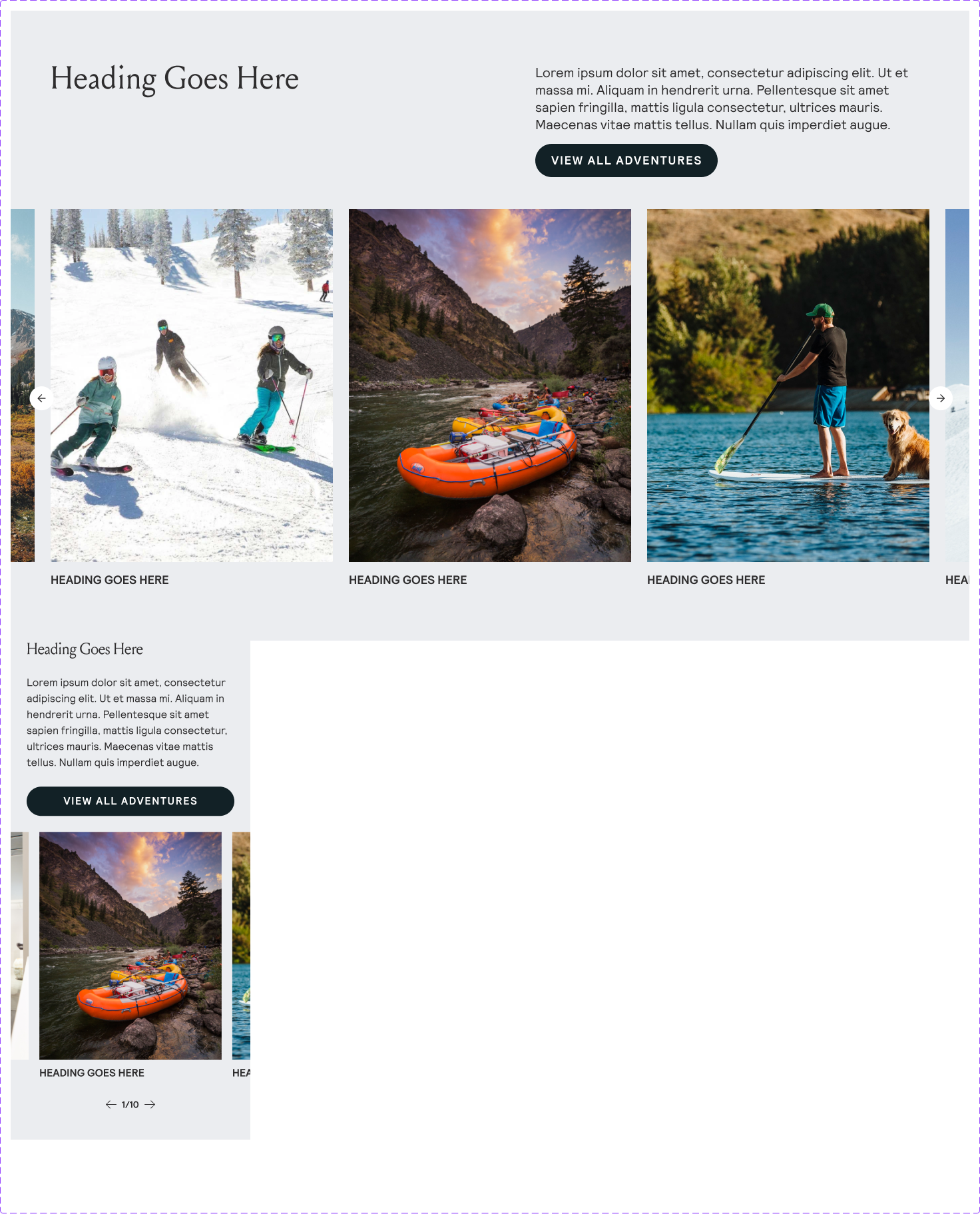
A central goal was to make booking easier for users, with fewer clicks, clearer search and property selection patterns, and stronger visibility of offers, adventures, and location-specific reasons to stay.
Clarify portfolio versus property storytelling
3
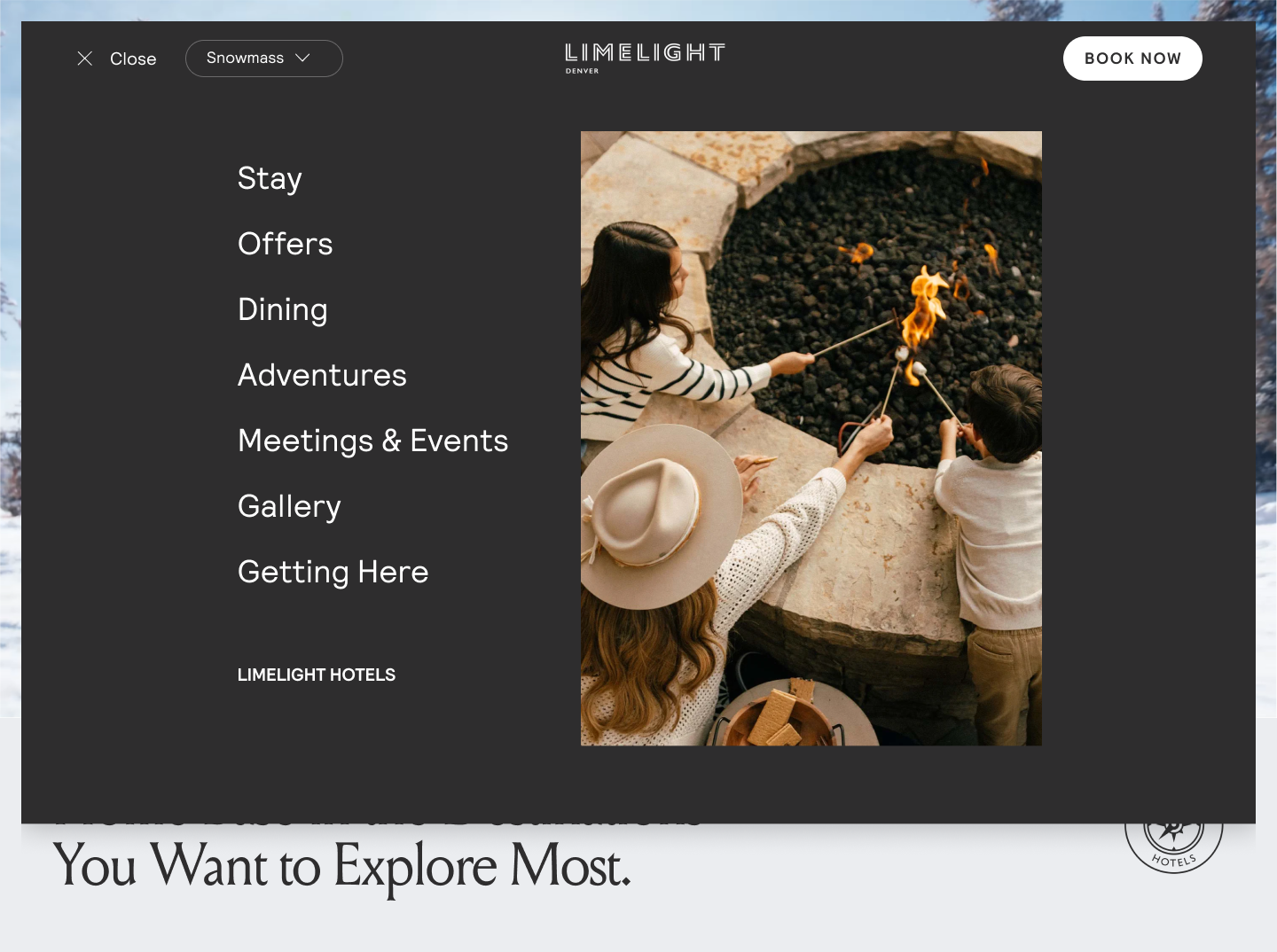
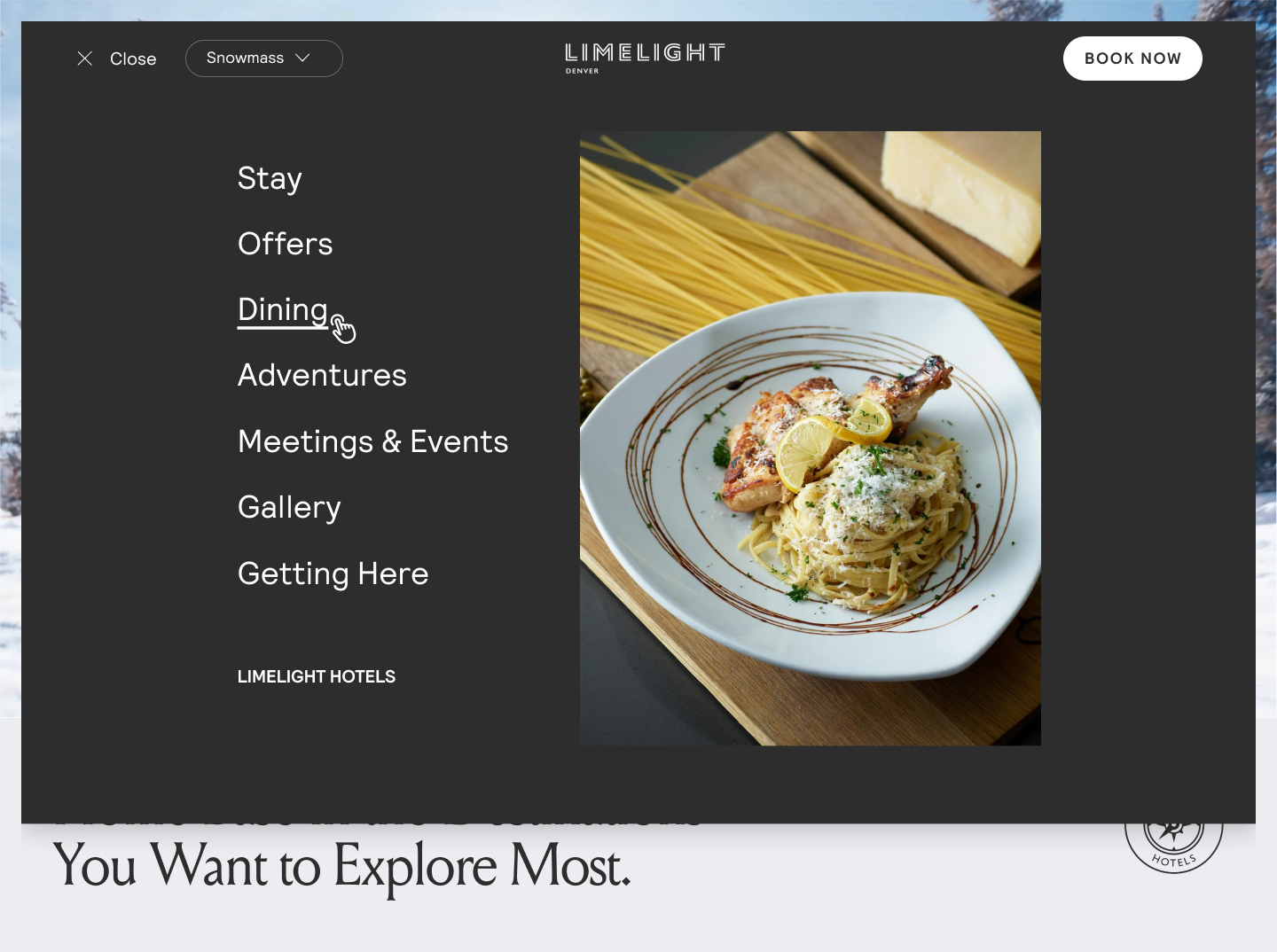
The portfolio homepage needed to tell the Limelight story, educate users that the brand spans multiple locations, and route them quickly into the property that best fits their trip. That required new thinking around sitemap, navigation, URL structure, and content hierarchy so the site could distinguish brand-level messaging from property-level content without confusing users.
Build for scalability, not just the current site
4
Limelight was also planned as a major step in Aspen’s broader platform roadmap. The redesign and migration work needed to support future property launches, shared components, and cross-brand reuse inside Aspen One’s digital ecosystem.
Designed for Change. Built for Growth.
Limelight Hotels is a strong example of the team bringing UX, brand strategy, and scalable platform thinking together in a multi-property hospitality environment. The work was not just about refreshing the look and feel of the site. It was about making the brand easier to understand, the booking journey easier to complete, and the underlying system more capable of supporting growth across properties, audiences, and future experiences.
-
The UX strategy focused on making Limelight feel more like a true lifestyle brand and less like a collection of functional hotel pages.
Homepage strategy emphasized more cohesive storytelling, clearer location routing, and a stronger sense of the brand as a portfolio rather than a single-property experience.
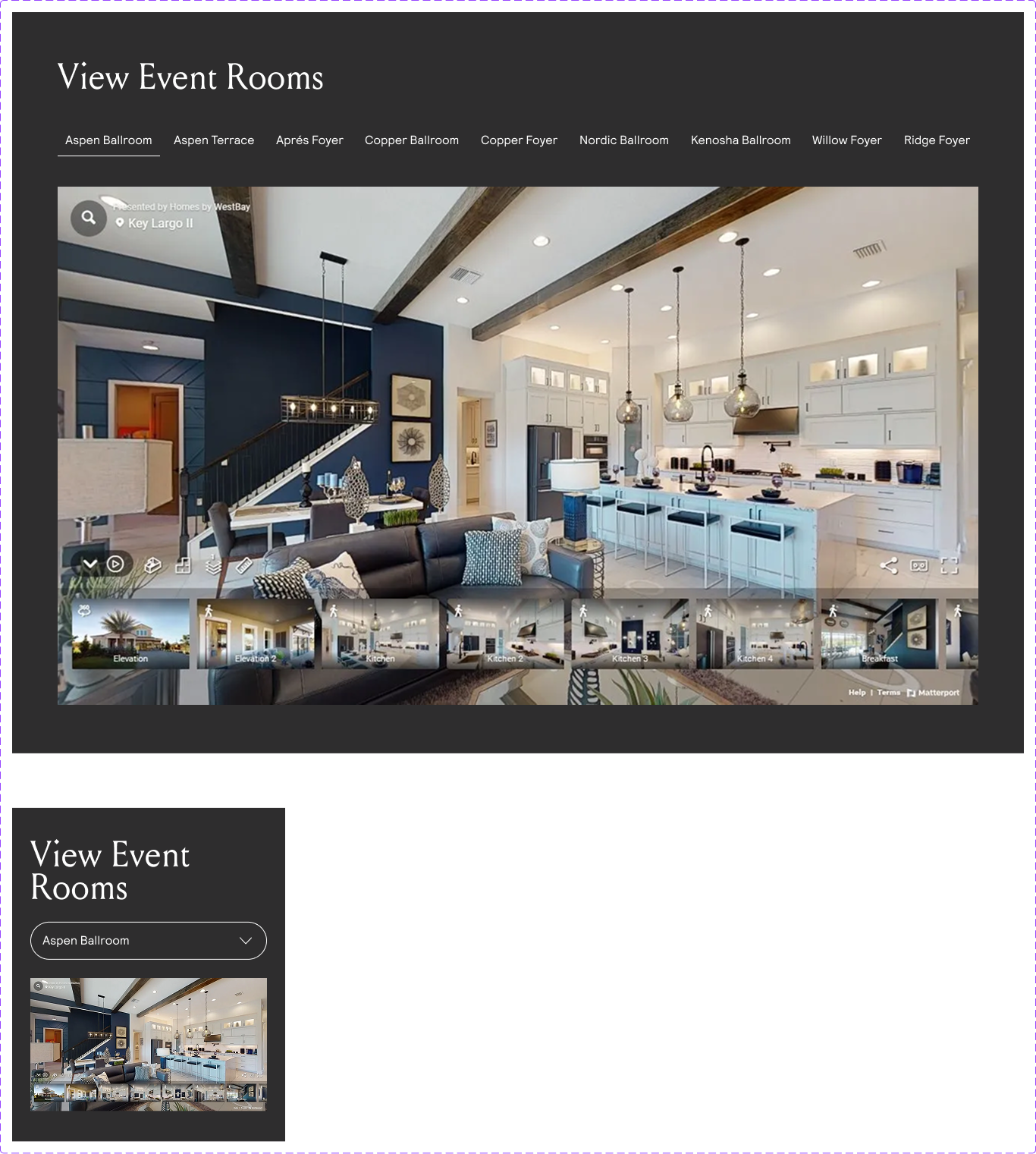
Rooms, adventures, and history pages were all identified as opportunities to reduce dense copy and create more immersive, visual, higher-impact experiences.
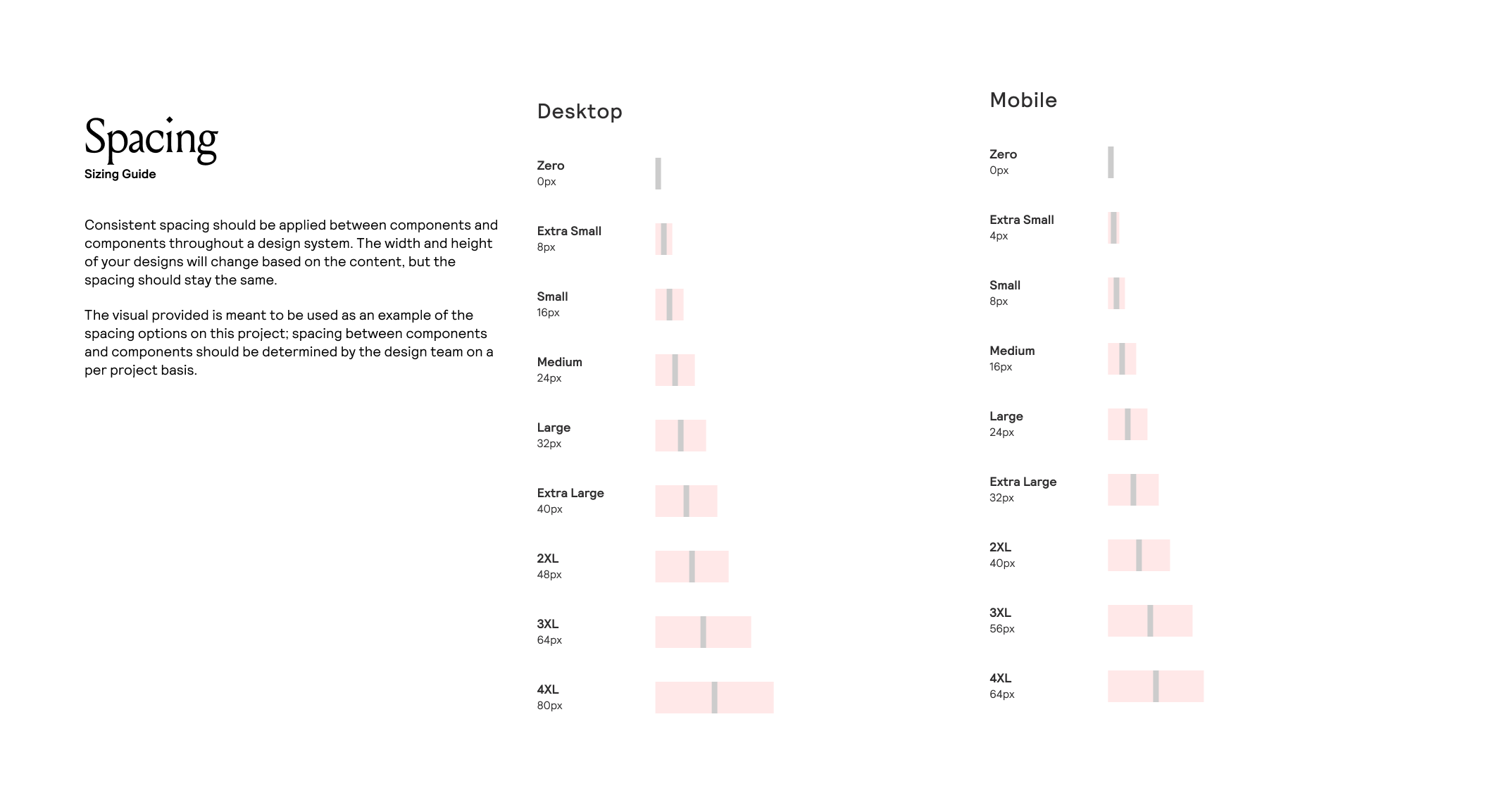
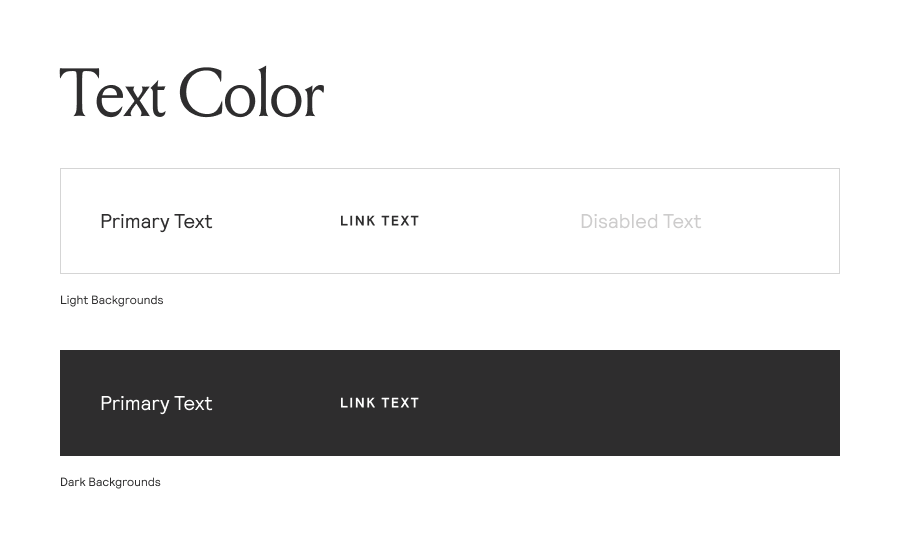
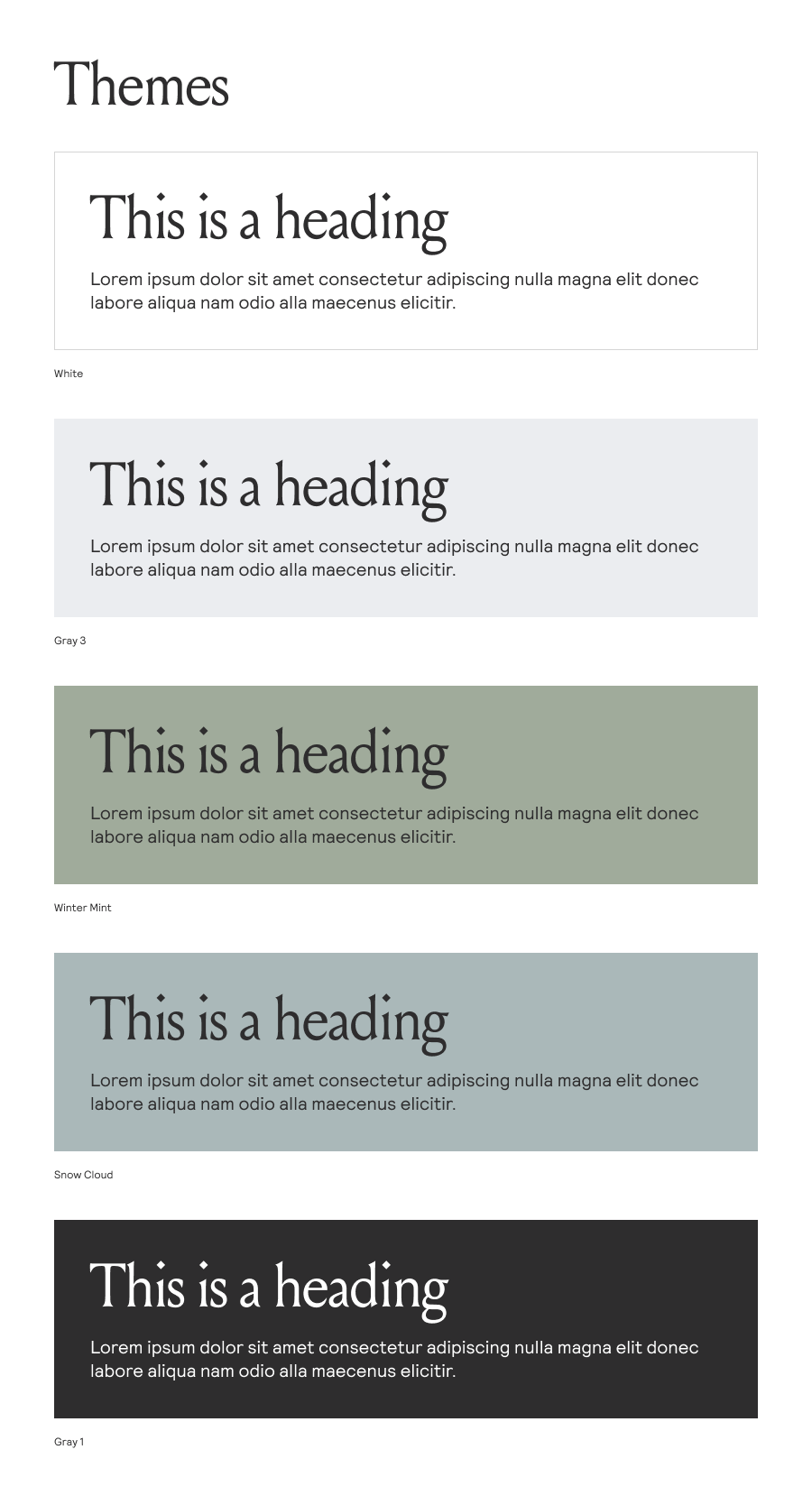
Accessibility and inclusive design were treated as core experience requirements, including WCAG 2.1 AA thinking, stronger hierarchy, better contrast, and more predictable interaction patterns.
IA validation was part of the approach, including treejack or card-sort activities to test navigation and labeling across portfolio and property pages.
-
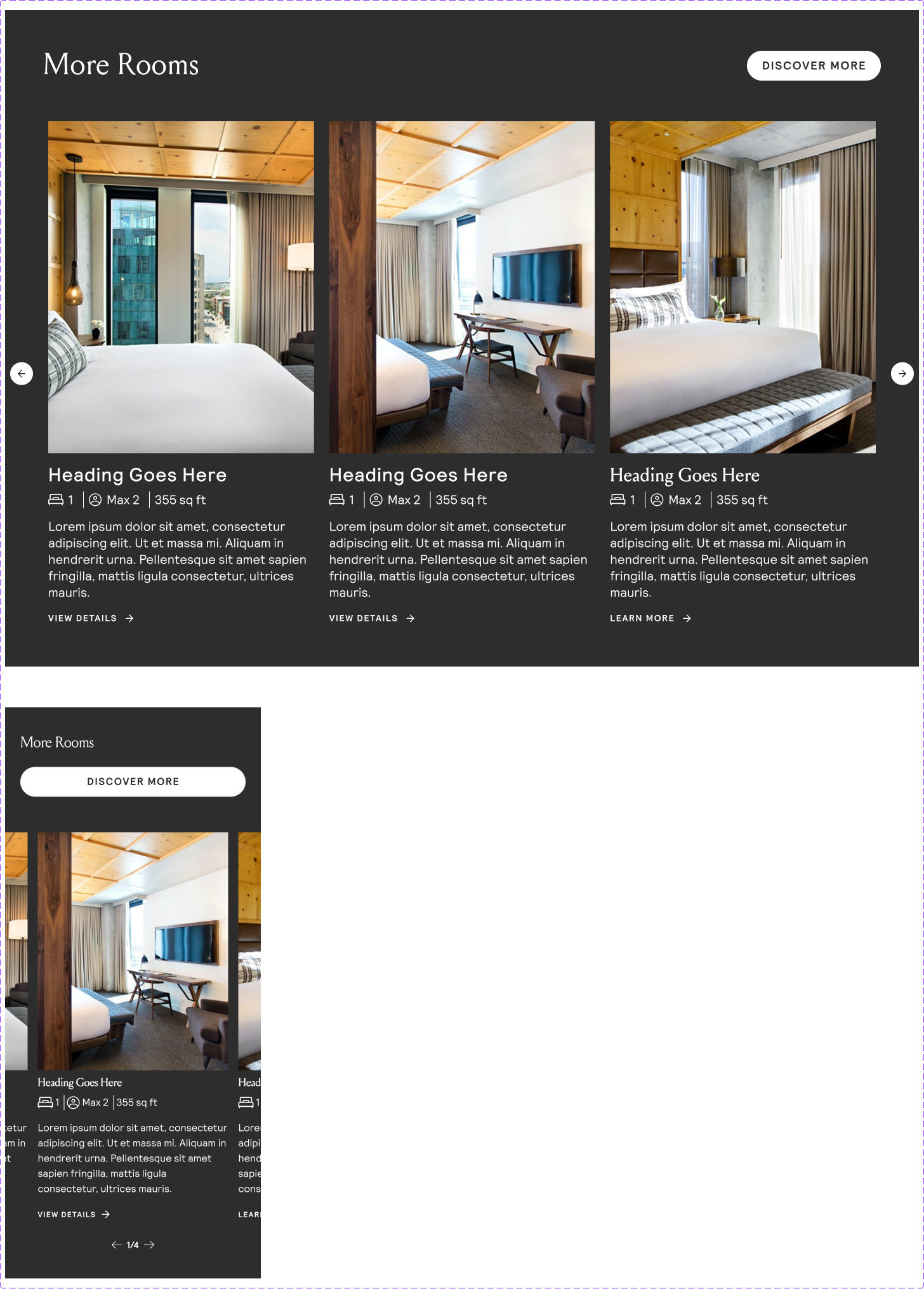
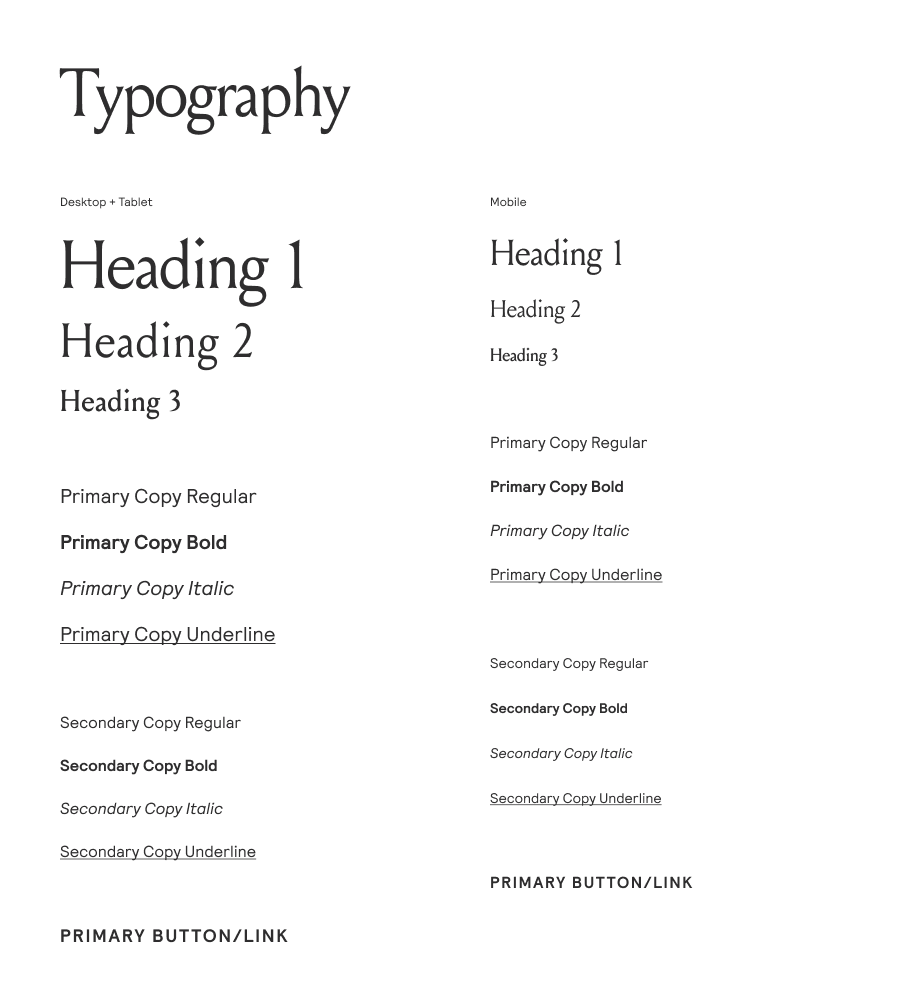
Limelight was planned to migrate onto Aspen One’s scalable headless CMS foundation, using shared components from The Little Nell while introducing Limelight-specific components and variations.
The future build was scoped on Contentstack with a headless CMS environment, React-based front-end development, and reusable modules designed to scale into the Aspen One design system.
The platform scope included analytics tracking, SEO launch support, 301 redirects, content migration, and content-author training to support rollout and adoption.
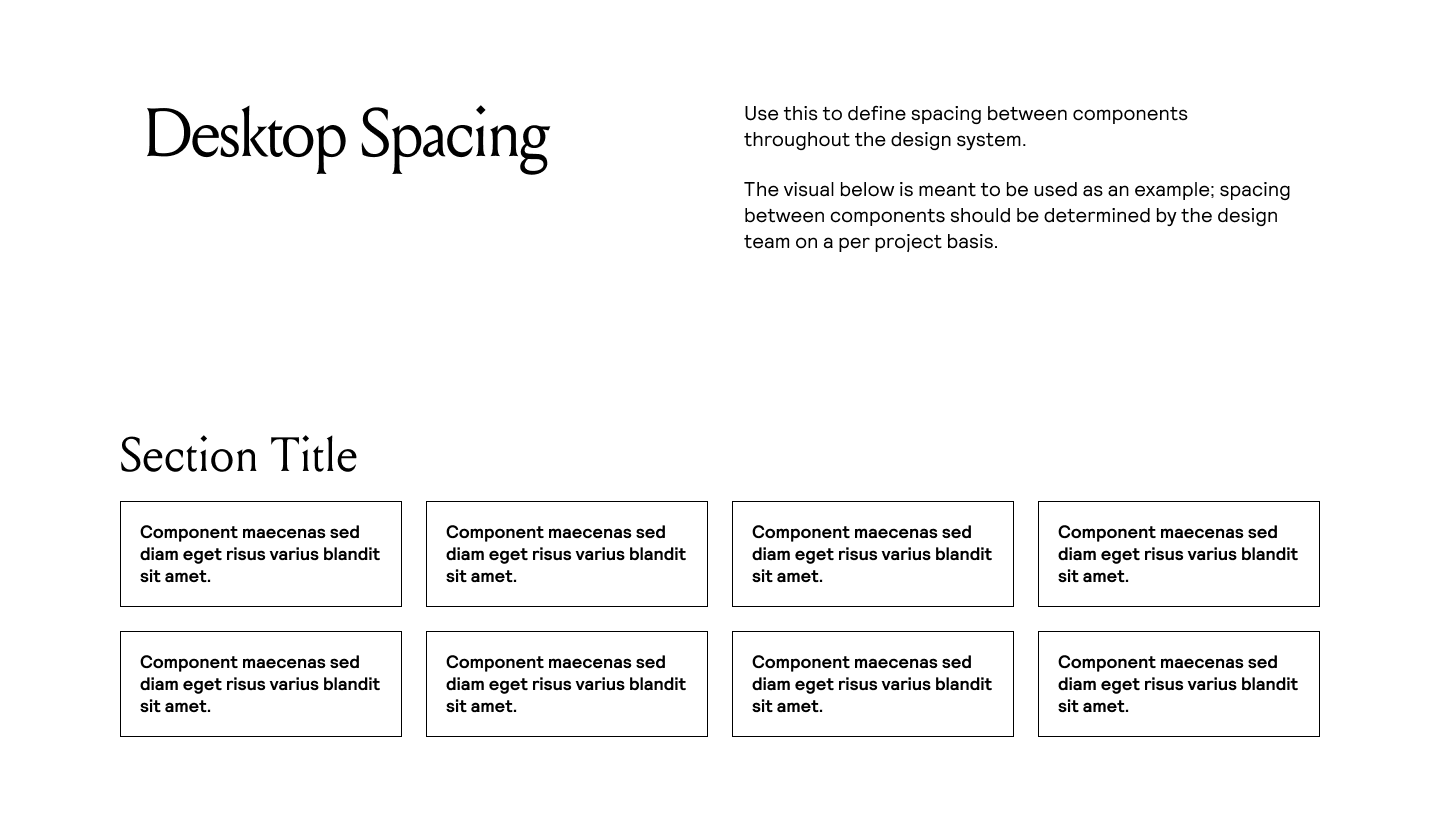
Global navigation, property selector patterns, and reusable components were explicitly in scope, reinforcing that information architecture and navigation were strategic technical deliverables, not just design details.
Some practical constraints were handled deliberately. For example, the booking experience was expected to keep its current external engine and be reskinned with new branding rather than fully re-engineered in this phase.
-
Limelight Hotels had four live properties at the time of planning, with additional locations in Mammoth and Boulder in development, making multi-property UX and scalability a real business need rather than a hypothetical one.
The client explicitly identified bookings, revenue, F&B growth, events visibility, and cross-property awareness as core business objectives for the redesign.
Mobile bookings were important enough to be called out as a success measure, alongside year-over-year traffic and booking growth.
IA work included treejack or card-sort validation to improve navigation and multi-property labeling.
Limelight was positioned as the first full multi-property site to move onto Aspen’s new platform after The Little Nell, validating portfolio-versus-property patterns and multi-brand theming for future use.
The implementation scope included content-entry automation for up to 250 pages, up to three additional page templates, and up to eleven additional reusable components for limelighthotels.com.